

SGI Rate Changes 2026: What Saskatchewan Drivers Need to Know
Table of Contents
2026-2027 Vehicle Insurance Rate Changes
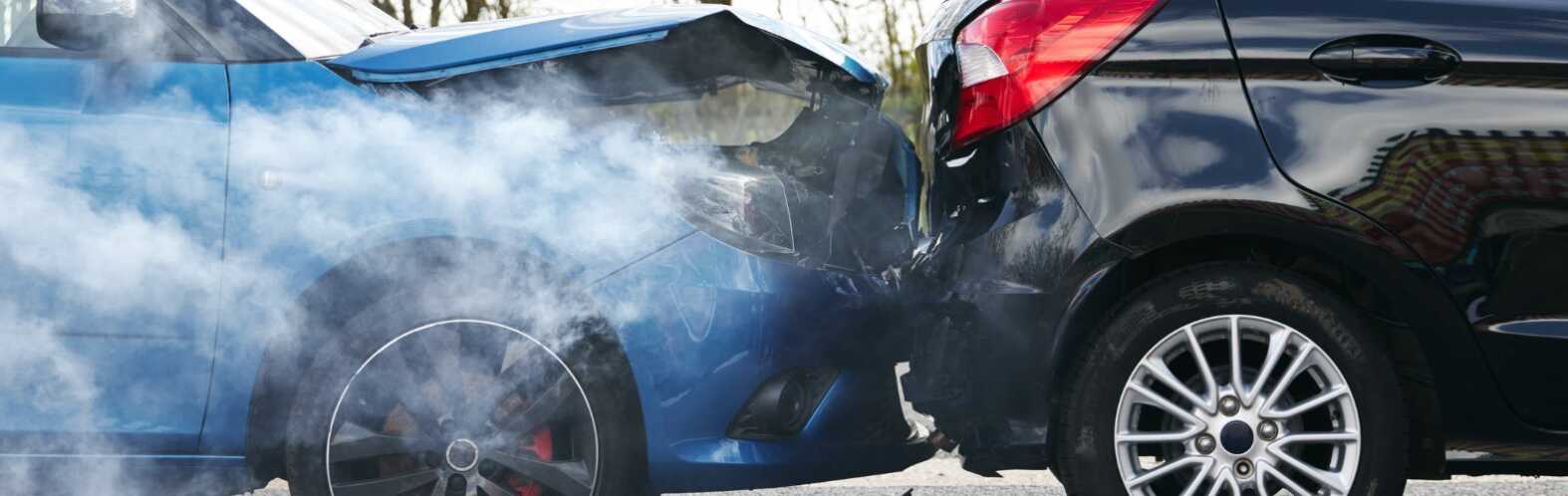
According to 650 CKOM, SGI is navigating a “sharp jump” in damage costs that has outpaced its revenue for the first time in over a decade.
“Inflation and advanced technology in newer vehicles have caused a sharp rise in the cost of vehicle repairs, and the Auto Fund is no longer taking in enough revenue to cover the cost of claims.”
The Rising Cost of Repairs & Collision Trends
$4,880
Average vehicle damage claim in 2019-20
$6,101
Average vehicle damage claim in 2024-25
30,304
Total reported collisions in Saskatchewan (2024)
Data sourced from 650 CKOM and the 2024 Saskatchewan Traffic Collisions Report.
To put the “technology gap” into perspective, SGI reported that the average cost for a vehicle damage claim was $4,880 in 2019-20. By 2024-25, that figure climbed to $6,101 a significant jump driven by the expensive sensors and parts found in modern cars.
These adjustments are a necessary step to ensure the Auto Fund remains sustainable for all Saskatchewan drivers.
Rate Increase: What You Need to Know
1. The Proposed Increases
SGI has proposed a two-step adjustment to ensure the Auto Fund remains sustainable. This includes a 3.75% increase starting June 1, 2026, followed by a second 3.75% increase planned for 2027.
2. Annual Financial Impact
The impact on your wallet is designed to be gradual. Roughly 98% of Saskatchewan vehicles will see an average increase of approximately $38 per year.
3. Rate Rebalancing
It is important to note that these changes aren’t “one size fits all.” Individual rates may vary because SGI is rebalancing based on the actual claim risk each specific vehicle class represents. While most will see an increase, some vehicle classes could see a decrease depending on their safety performance and repair costs.
What if I disagree with the proposed changes?
The Saskatchewan Rate Review Panel (SRRP) invites feedback from the public. You can share your thoughts in several ways:
- Visit the SRRP website
- Connect via The Saskatchewan Rate Review Panel | Facebook
- Call toll-free: 1-877-368-7075
- Email your feedback to: feedback@saskratereview.ca
Updated Permit Fees (Effective June 1, 2026)
Short-term permit fees are also being adjusted on an interim basis. If you need to move a vehicle temporarily, here are the new rates (plus PST).
| Permit Type | Old Rate | New Rate (June 1) |
|---|---|---|
| 24-Hour Permit | $26.66 | $31.96 |
| 8-Day Permit | $75.94 | $81.24 |
| In-Transit Permit | $44.80 | $50.10 |
Wait, what does “Interim” actually mean for me?
Think of an “interim” rate like a placeholder. SGI has proposed these new rates, but they still need to go through a public review by the Saskatchewan Rate Review Panel. To keep the Auto Fund healthy in the meantime, the new rates will start on June 1, 2026, even while that review is still happening.
If the government or the panel decides the final rate should be higher or lower than SGI proposed in January, your rates will be automatically adjusted on June 1, 2027, to balance out the difference.
You don’t have to do anything—SGI will handle the math on your next renewal.
Frequently Asked Questions
Why is a rate increase necessary right now?
Claim costs have jumped significantly due to inflation and the complexity of repairing newer vehicles. Because the Auto Fund is a “break-even” public trust, premiums must be adjusted to cover these rising expenses.
How much will my insurance rates actually go up?
SGI has proposed a 3.75% increase for 2026 and another 3.75% for 2027. For about 98% of Saskatchewan vehicles, this works out to an average increase of roughly $38 per year.
What is “rate rebalancing” and how does it affect me?
Rebalancing means rates are set based on the specific claim history of your vehicle’s class. Depending on what you drive, your rate might increase, stay the same, or, in some rare cases, even decrease.
When was the last time SGI raised insurance rates?
It has been over a decade since the last general rate increase. While there was a revenue-neutral shift in 2022, the last overall increase for the Auto Fund took place back in 2014.
Disclaimer: Statistics and references are based on publicly available data. This guide is for informational purposes and does not constitute legal or professional insurance advice.
Stay Connected With Harvard Western
Thanks for reading our article; I hope you enjoyed this month’s topic on defining what Auto Pak insurance is. Here are some more ways to access more insurance information and tips:
1.
Visit our Blog/article page each month, where we publish various insurance articles and share information on specific industry products.
2.
Learn more about Auto Insurance and visit our product page for comprehensive information.
3.
Follow us on LinkedIn to stay up to date on our latest company updates.
Posted in General News, MySGI Help on April 30, 2026 by Hope Prost
Share:
Tweet